
Traumatic Knee Fractures, Dislocations, and Injuries
When Your Knee Takes a Hard Hit
Traumatic knee injuries, including fractures and dislocations, can happen suddenly due to a fall, sports injury, or accident. These injuries often involve damage to the bones, ligaments, tendons, or surrounding tissues in the knee, causing significant pain, swelling, and instability. If you’ve experienced trauma to your knee, it’s important to understand the nature of your injury and the treatment options available to ensure proper healing.
TYPES OF TRAUMATIC KNEE INJURIES
Traumatic knee injuries are often the result of a sudden impact, twist, or direct blow to the knee joint. These injuries can occur during sports, accidents, or other high-impact activities and may affect various parts of the knee, including ligaments, cartilage, tendons, and bones.
Some of the most common types of traumatic knee injuries include:
An ACL tear is one of the most frequent knee injuries, especially among athletes. This injury typically occurs during sports involving sudden changes in direction, such as soccer or basketball. The ACL, a key ligament stabilising the knee, may tear completely or partially, leading to symptoms like severe pain, instability, and swelling.
The MCL is located on the inner side of the knee and can be injured by a direct impact to the outside of the knee. MCL injuries often occur during contact sports and can range from a mild sprain to a complete tear. Symptoms may include pain, swelling, and difficulty walking.
The menisci are cartilage discs that cushion the knee joint. A tear in the meniscus can happen during a sudden twist or rotation of the knee, often in activities like skiing or football. Symptoms include pain, swelling, stiffness, and a feeling of the knee “locking” or being unable to move properly.
PCL injuries are less common than ACL tears and typically occur due to a direct blow to the front of the knee, such as during a car accident or a fall on a bent knee. While PCL injuries may cause less instability than ACL injuries, they can still lead to pain, swelling, and difficulty moving the knee.
A patellar dislocation occurs when the kneecap (patella) shifts out of its normal position, often due to a direct blow or sudden twist. This injury can cause significant pain, swelling, and difficulty straightening the leg. In some cases, the patella may shift back into place on its own, but medical treatment is often needed to assess the damage and prevent future dislocations.
Knee fracturesoccur when one or more of the bones in the knee joint—usually the patella (kneecap), femur (thigh bone), or tibia (shin bone)—break due to a direct impact or severe twisting motion. Fractures can vary in severity, from small cracks to complete breaks that may require surgery to realign the bone.
Tendons like the quadriceps and patellar tendons can tear due to a sudden impact or during activities that involve jumping or lifting. Symptoms include pain, swelling, and the inability to straighten the knee. Tendon tears may require surgical repair depending on the severity of the injury.
A knee dislocation occurs when the bones in the knee are forced out of their normal position, typically due to a high-impact injury. Knee dislocations are serious because they can damage the surrounding ligaments, tendons, and blood vessels, leading to complications if not treated promptly.
Each traumatic knee injury requires a personalised approach to diagnosis and treatment. During your consultation with Dr Keeley, you will receive a thorough evaluation and a tailored treatment plan to ensure the best possible outcome.
CAUSES OF TRAUMATIC KNEE INJURIES
Knee fractures, dislocations, and other traumatic injuries often result from:
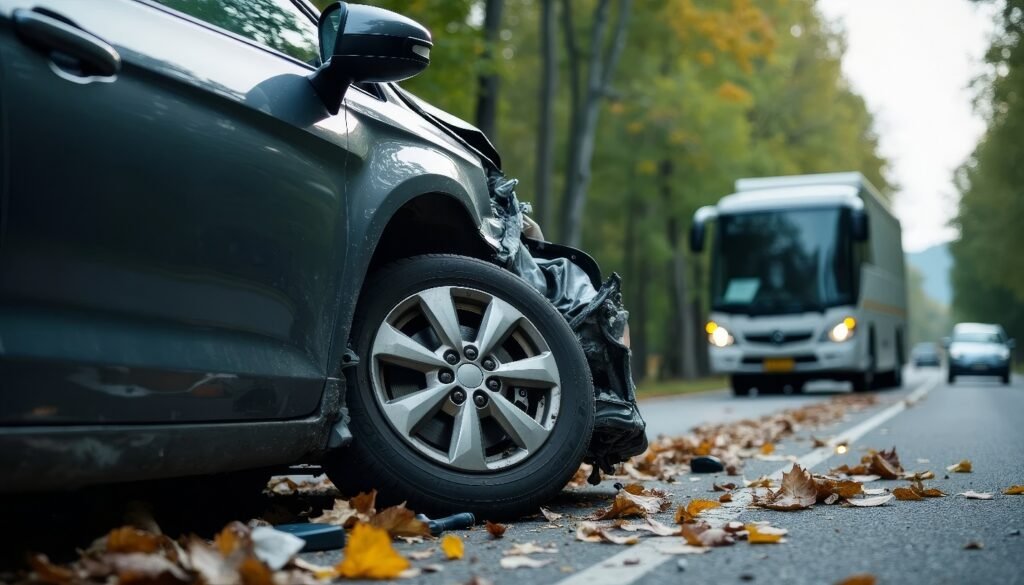
- High-impact accidents: Car accidents or falls from a height are common causes of knee fractures and dislocations.
- Sports injuries: Contact sports like football or skiing can lead to sudden impacts, twisting, or direct trauma to the knee.
- Direct blows: A direct hit to the knee from a hard object or collision can cause a fracture or dislocation.
TRAUMATIC KNEE INJURY SYMPTOMS
Traumatic knee injuries are typically very painful and can cause:
- Intense swelling around the knee
- Difficulty or inability to move or bear weight on the leg
- Visible deformity or misalignment of the knee joint
- Bruising, tenderness, and stiffness
- Numbness or weakness in the leg, particularly if nerves or blood vessels are affected
If you experience any of these symptoms after an accident or injury, it’s essential to seek medical attention immediately.
DIAGNOSING KNEE TRAUMA & INJURIES
Diagnosing a knee injury begins with a thorough physical examination to assess the extent of the damage. Imaging tests such as X-rays, CT scans, or MRIs are often required to accurately determine the location and severity of fractures, dislocations, or soft tissue damage. This detailed assessment allows Dr Keeley to recommend the most appropriate treatment for your injury.

TREATMENT FOR TRAUMATIC KNEE FRACTURES, DISLOCATIONS, AND INJURIES
Treatment for knee trauma depends on the type and severity of the injury, as well as your overall health and activity level.
Dr Keeley will work with you to develop a tailored treatment plan, which may include:
Non-Surgical Treatments: Minor fractures or ligament injuries may be treated with immobilisation (using a cast, brace, or splint), rest, ice, compression, and elevation (RICE), along with physiotherapy to aid in recovery and restore strength.
Surgical Treatments: Severe fractures that are displaced or involve multiple parts of the bone may require surgery to realign and stabilise the knee joint. This could involve the use of plates, screws, or rods to hold the bones in place as they heal. Knee dislocations or significant soft tissue injuries, such as ligament or tendon tears, may also require surgical intervention to repair the damage.
RECOVERY AND OUTLOOK FROM A TRAUMATIC KNEE INJURY
Recovery from a traumatic knee injury can take time, and the healing process varies depending on the severity of the injury and the treatment required. Dr Keeley will monitor your progress and adjust your treatment plan as needed to ensure optimal healing and with proper care and rehabilitation, most patients can regain full function and return to their normal activities.
LEARN ABOUT LOWER LIMB FRACTURE AND TRAUMA PROCEDURES